Tank Systems Blog
Engineering, specification, and standards articles. Written for the people who actually buy, install, and maintain industrial storage tanks.
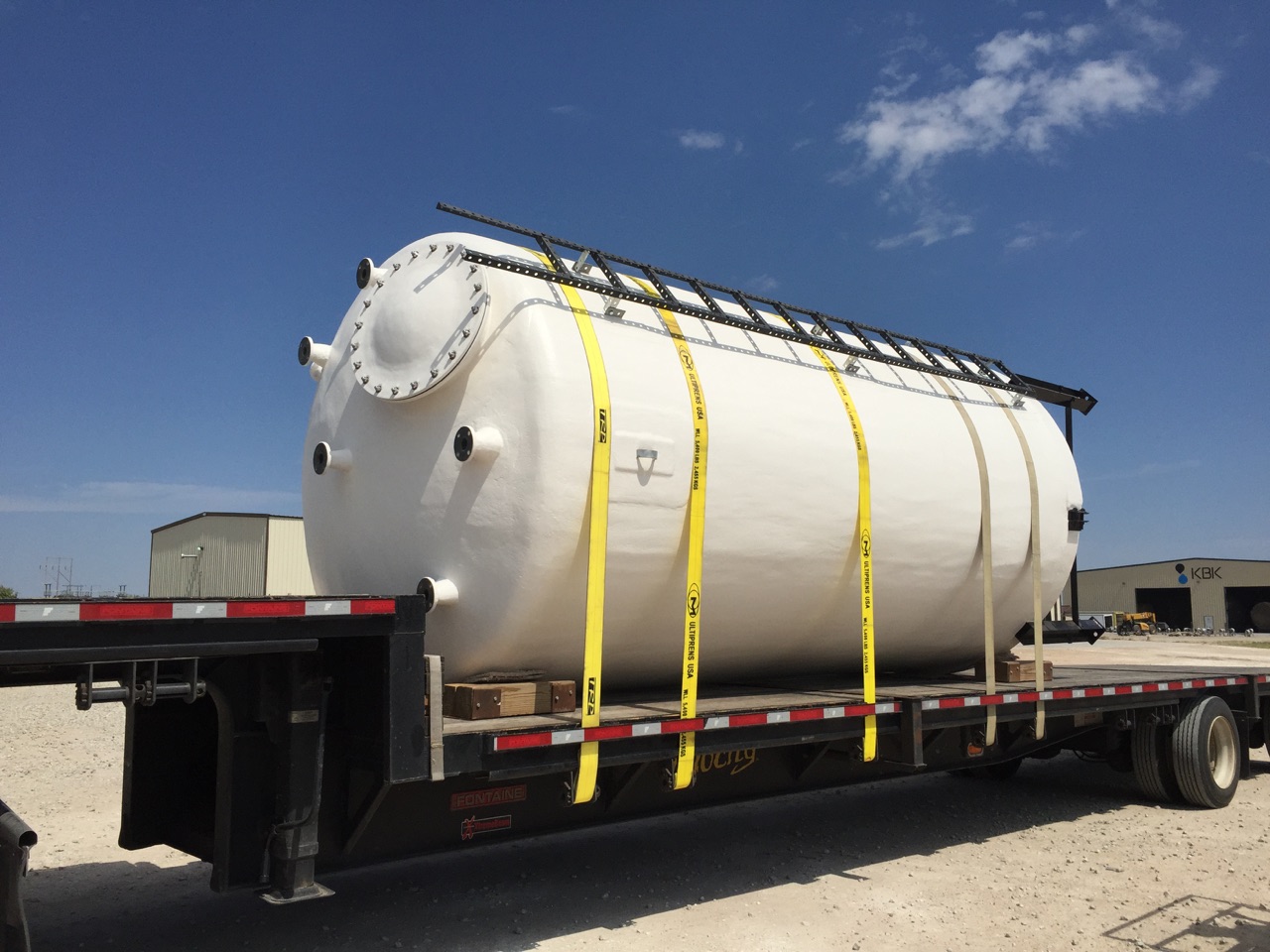
Anchoring a Poly Tank on the Gulf Coast: Why the Empty One Moves First
A full tank is heavy and stays put. The one that moves in a storm is the empty spare standing beside the building, because it has the same sail area and almost none of the weight. Here is how to anchor it and what to do before a storm arrives.
Read article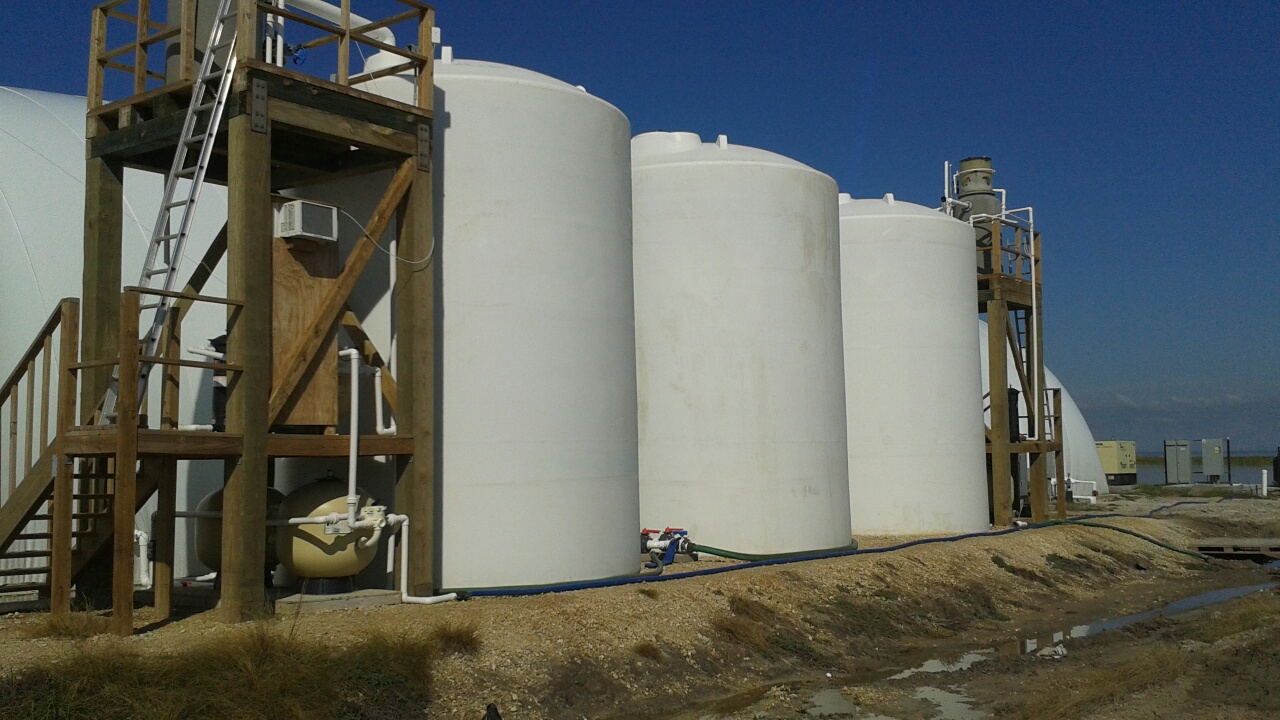
Storing Sodium Hypochlorite: Venting, Sunlight, and Why Bleach Tanks Fail Early
Bleach looks like an easy storage problem. It is water-thin, it is not flammable, and polyethylene handles it well. The complications are the ones you cannot see: it decomposes on its own, it gives off oxygen while it does, and it is sensitive to light and heat.
Read article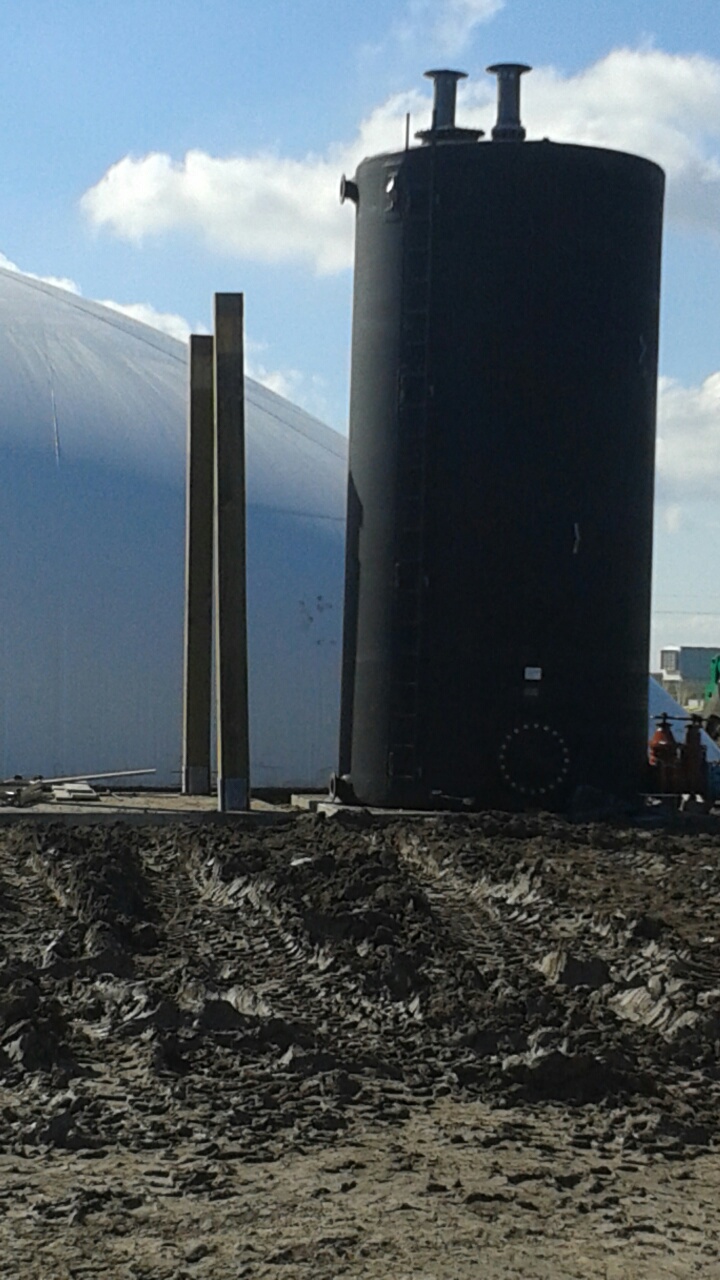
Specific Gravity: The Tank Rating Most Buyers Skip
Capacity gets checked. Fitting locations get checked. Then someone orders a 1.5 specific gravity tank and fills it with 93% sulfuric acid, and the wall is overloaded from the first fill. Here is what the rating means and how to get it right.
Read article
How Polyethylene Storage Tanks Are Made: Rotational Molding, Resin Selection, and Wall-Thickness Engineering
Polyethylene tanks are made one at a time by rotationally molding a measured charge of resin powder inside a heated steel mold. The result is a seamless one-piece vessel with no glue lines, no welded seams, and no field assembly. Here is exactly how that works — and why the choices a manufacturer makes about resin, mold, and wall thickness drive the difference between a tank that lasts 25 years and one that fails in five.
Read article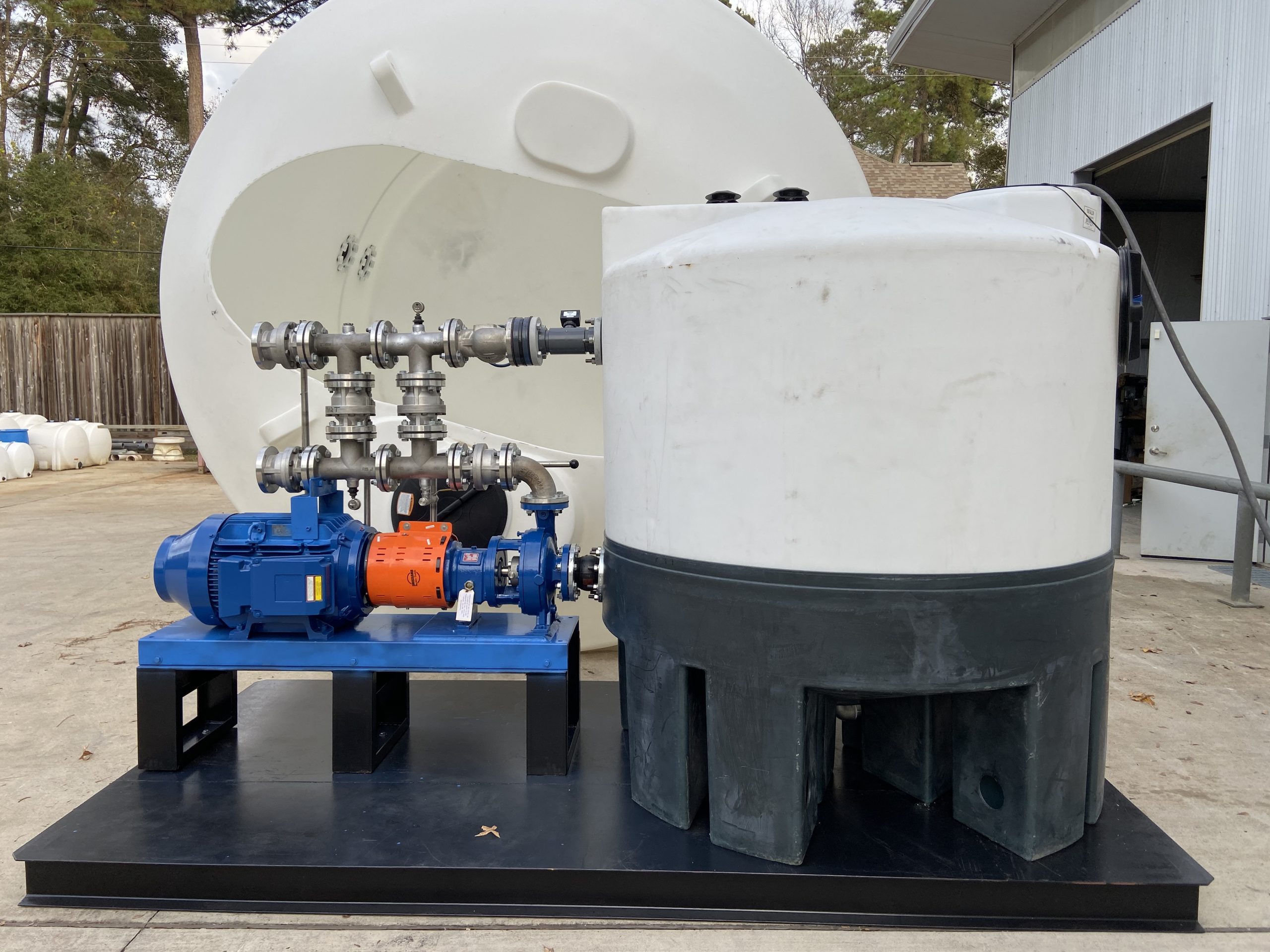
Polyethylene vs. Fiberglass vs. Steel: Choosing the Right Material for Chemical Storage
Polyethylene, fiberglass, and steel each have a service envelope they're unbeatable in — and an envelope where they're a bad choice. The right tank for your application isn't the cheapest one or the one your last project used; it's the one whose chemical, temperature, capacity, and code constraints actually match your service. Here is how to decide.
Read article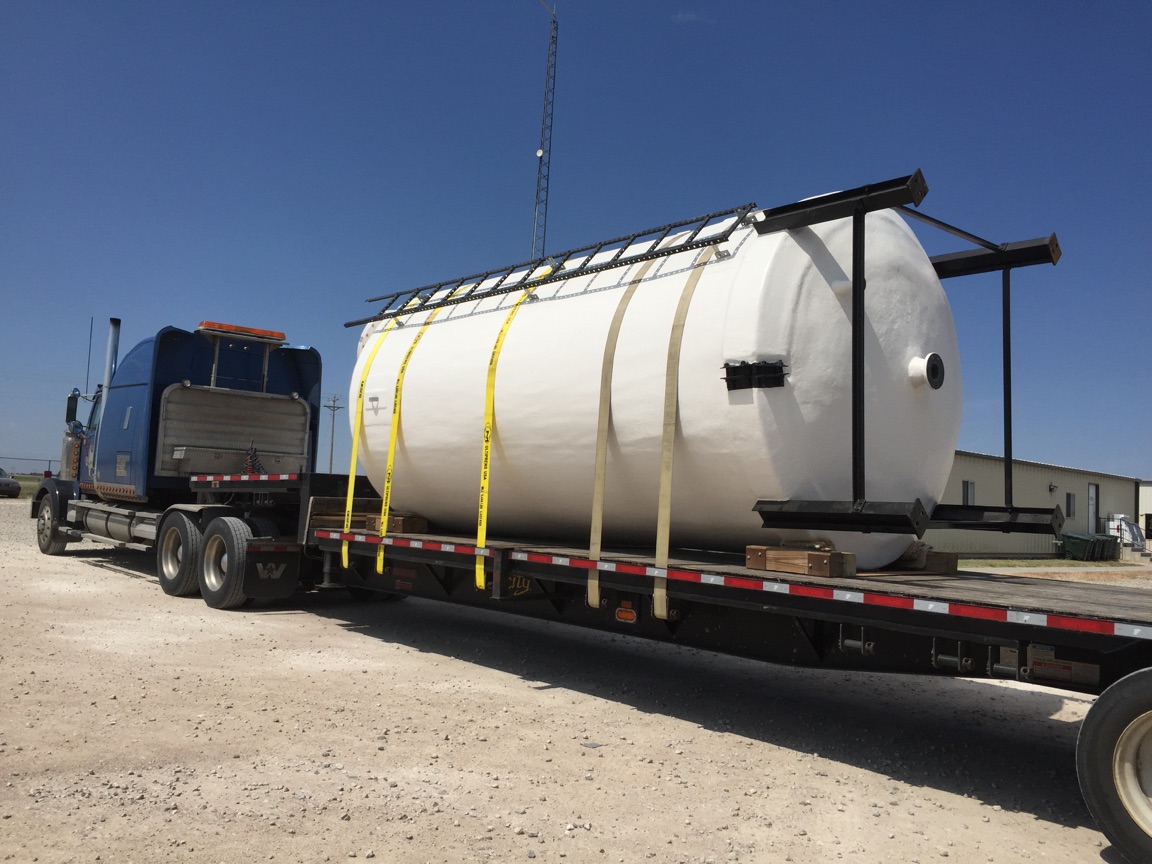
FDA, NSF, and ASTM D1998: What Tank Certifications Actually Mean for Buyers
Tank quotes are full of acronyms — NSF, FDA, ASTM, AWWA, UL — and the right ones can make or break a project. A water utility buying a tank that isn't NSF 61 listed will fail a state health inspection. A food processor buying a tank that isn't FDA-compliant resin loses an audit. Here is a plain-English guide to what each certification covers and when it actually matters.
Read article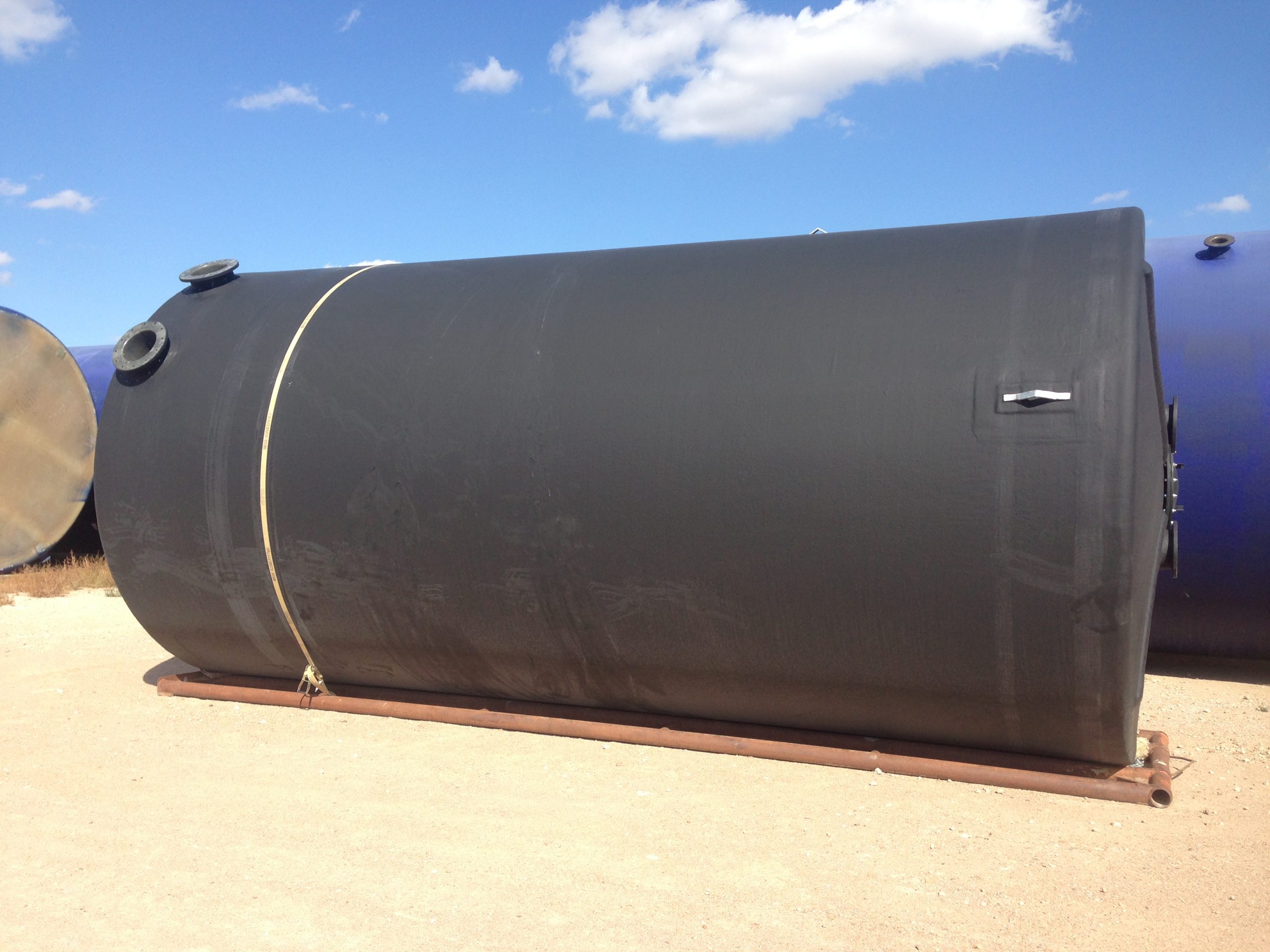
Sizing a Fire-Protection Water Tank: NFPA 22 Capacity, Drawdown, and Setbacks
A fire-protection water tank is sized by one calculation: the design fire-flow demand multiplied by the required duration. NFPA 22 codifies it. But the capacity number is just the start — the tank also has to deliver effective water (above the drawdown level), survive freezing climates, sit far enough from buildings, and stay accessible for the AHJ. Here is how all of that fits together.
Read articleProject to scope?
Articles are useful — quotes are better. Tell us what you're storing and we'll have specs and pricing back the same business day.